
Lawns That Survive Without Constant Watering
Artificial Turf Installation in San Jose for properties facing water restrictions and high-maintenance natural grass that struggles through Silicon Valley summers
Aging lawns in San Jose and Campbell often fail under heat stress and reduced watering schedules mandated by drought regulations, leaving brown patches and compacted soil that natural grass can't recover from. Artificial turf eliminates the cycle of reseeding, fertilizing, and irrigation adjustments, replacing worn areas with a synthetic surface that stays green year-round. Ted Cooper/Cooper Industries installs artificial turf for residential yards and commercial properties where water costs and maintenance hours make natural grass unsustainable.
The installation begins with grading and drainage assessment, since turf laid over poor drainage creates puddling that never evaporates and eventually damages the base. The existing lawn is removed, soil is graded to direct water away from foundations, and a crushed aggregate base is compacted to provide stability and permeability. Turf is cut to fit the area, seams are joined with adhesive and secured with stakes, and infill material is spread to weight the surface and keep blades upright under foot traffic.
Arrange a property visit to evaluate current lawn drainage and soil conditions before turf installation.
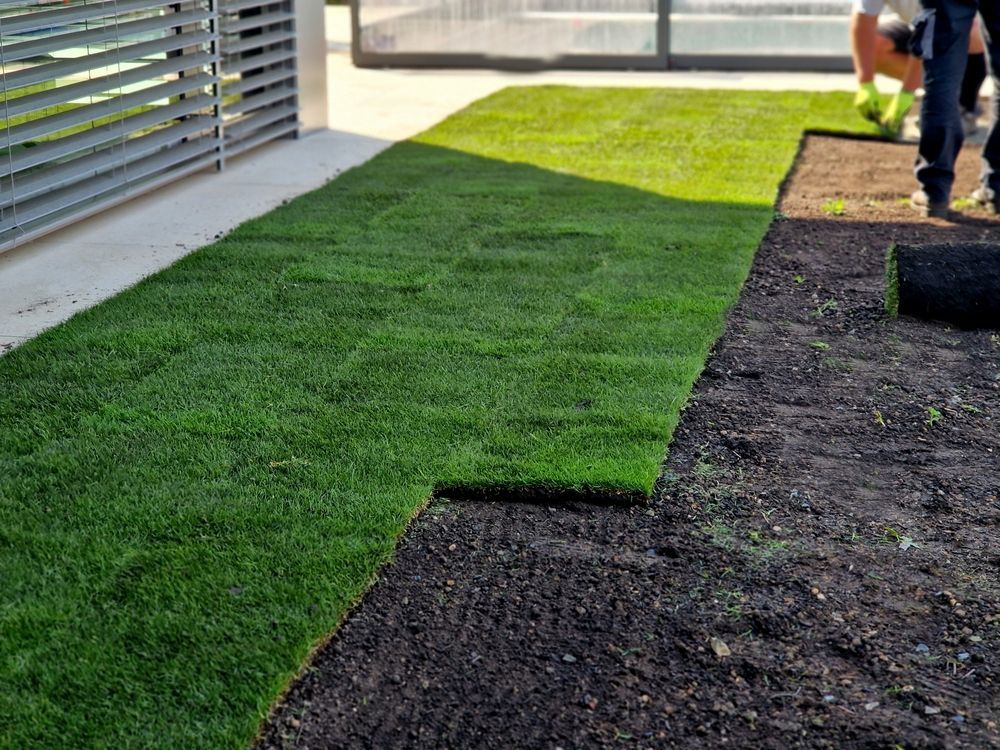
What Proper Base Preparation Requires
Base preparation determines whether turf stays level and drains correctly or develops low spots that trap water and compress unevenly. The aggregate layer must be compacted in lifts to prevent settling, and the final grade needs to slope enough for runoff without creating visible humps. Edges are secured with bender board or stakes to prevent turf from lifting during wind or when hoses are dragged across the surface.
Once installation is complete, you'll notice the lawn stays uniform without seasonal die-off, and water runoff from adjacent areas moves through the permeable base instead of pooling on top. The surface handles foot traffic without developing bare patches, and debris like leaves can be rinsed or blown off without the mud and thatch buildup that natural grass collects. Silicon Valley's intense summer sun fades older turf products over time, so material selection focuses on UV-resistant fibers that maintain color without reflective glare.
Infill options include silica sand for weight and crumb rubber for cushioning, with antimicrobial infill available for pet areas where odor control matters. Seams are placed in low-traffic zones when possible, and the adhesive used must cure fully before the surface is walked on to prevent separation. Turf does not require irrigation, but occasional rinsing during dry months prevents dust accumulation and keeps the surface temperature manageable.

Answers to Frequent Service Questions
Artificial turf installation involves site preparation and material choices that affect drainage, durability, and how the finished surface performs under daily use.
What happens to the existing lawn during installation?
The crew strips the natural grass and topsoil, excavates to the required depth for base material, and hauls away the removed sod, leaving a clean grade ready for aggregate compaction.
How does drainage work with artificial turf?
Perforations in the turf backing allow water to pass through into the crushed rock base, which drains faster than compacted soil, so rain and irrigation overspray from adjacent areas don't create standing water.
Why does the base need to be compacted in layers?
Loose aggregate settles unevenly under the turf, creating depressions that trap water and cause the surface to sag, so the material is spread and compacted in two-inch lifts to reach stable density.
When is artificial turf a better choice than sod in San Jose?
Properties with poor soil, steep slopes, heavy shade where grass won't grow, or water budgets that can't support irrigation schedules benefit from turf that requires no watering or mowing.
What maintenance does artificial turf need after installation?
Occasional rinsing removes dust and pollen, a stiff broom lifts flattened blades in high-traffic areas, and leaf blowers clear debris without the thatch layer that collects in natural lawns.
Ted Cooper/Cooper Industries applies grading and drainage expertise from 55 years of landscape work to ensure turf installations drain correctly and stay level under use. Schedule a consultation to review your site conditions and discuss material options that match your property's traffic patterns and sun exposure.