
Structures That Hold Slopes Permanently
Hardscaping in San Jose for properties with unstable hillsides, outdated patios, and walkways requiring retaining walls and drainage integration
Bay Area homes built mid-20th century often sit on sloped lots where soil retention has failed over time, creating erosion below decks, cracked patios, and walkways that shift with seasonal ground movement. Hardscaping addresses these failures by installing retaining walls, pavers, and drainage systems designed as part of a full landscape plan rather than isolated fixes. Ted Cooper/Cooper Industries handles hardscape installation for residential renovations in San Jose and Campbell, integrating walls and walkways with grading corrections that prevent the drainage problems which caused original structures to fail.
Design begins with site assessment to determine where retaining walls are needed to stabilize slopes and how drainage will be managed behind walls to prevent hydrostatic pressure that pushes structures forward. Material selection considers soil retention requirements, aesthetic goals, and whether the hardscape needs to tie into existing landscape features or stand as a focal element. Installation includes excavation to stable soil, base preparation with crushed aggregate for drainage, and construction that accounts for expansion joints and weep holes to relieve water buildup.
Schedule a site visit to evaluate slope stability and discuss hardscape options that integrate with your property's drainage and landscape layout.
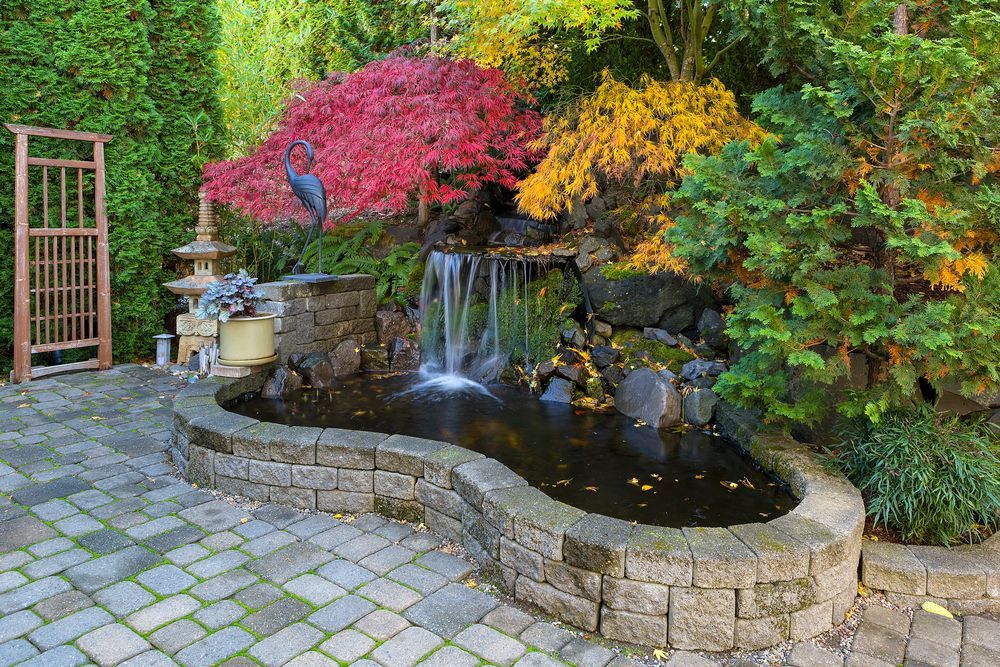
Why Drainage Integration Matters for Hillside Lots
Retaining walls on hillside properties fail when water saturates the soil behind them, creating pressure that no wall material can resist indefinitely. Proper installation includes French drains or gravel backfill that channels water to weep holes at the base, preventing saturation and allowing the wall to function purely for soil retention instead of fighting constant hydraulic force. Pavers and walkways are laid over compacted base material that drains quickly, avoiding the settling and cracking that occurs when water undermines unstable subgrades.
After hardscape installation, you'll see level patios and walkways that don't shift with seasonal moisture changes, and slopes remain stable without erosion gullies forming during winter rains. Retaining walls hold grade without leaning or developing cracks at mortar joints, and planted areas above or below walls receive controlled drainage instead of runoff that strips topsoil. Ted Cooper/Cooper Industries coordinates hardscape work with planting and irrigation installation, ensuring that all elements support long-term stability rather than creating conflicting water flows.
Material options include natural stone for informal designs, concrete pavers for uniform surfaces, and modular block systems for taller retaining walls that need engineered stability. Walkways are pitched slightly to direct water off the surface, and joints between pavers allow percolation instead of forcing runoff into concentrated streams. On commercial sites, hardscape elements like plaza areas and entry walkways are designed to handle foot traffic and maintenance equipment without cracking under load.

Questions Before Starting Your Project
Hardscape installation in San Jose involves structural planning, drainage integration, and material selection that determine how well retaining walls and paved surfaces perform over decades of use and weather exposure.
What determines whether a retaining wall needs engineered design?
Wall height, soil type, and slope angle dictate whether the structure requires calculations by a licensed engineer, with walls over four feet typically needing formal plans and permits in San Jose.
How is drainage managed behind retaining walls?
Gravel backfill or perforated drain pipe collects water and channels it to weep holes at the base, preventing hydrostatic pressure that would push the wall forward and cause failure over time.
Why do pavers need a compacted base instead of being laid on soil?
Uncompacted soil settles unevenly under the weight of pavers and foot traffic, creating low spots that trap water and cause the surface to crack or sink, especially in Bay Area clay soils common around Campbell and San Jose.
When should hardscape installation happen relative to other landscape work?
Hardscaping is typically completed early in the project sequence so that grading, drainage, and structural elements are in place before planting and irrigation installation begin.
What's included in a full hardscape plan?
The design covers retaining wall placement, walkway routing, patio dimensions, material selection, drainage integration, and how all elements tie into existing landscape features and property slopes.
With contractor license C27-521603 and 55 years of landscape and hardscape experience, Ted Cooper/Cooper Industries designs retaining walls and paved areas that integrate with site drainage and long-term maintenance needs. Contact the office at (408) 499-5657 to arrange a consultation and review hardscape solutions for your property's slope and erosion challenges.