
Sites That Direct Water Correctly
Landscape Grading & Drainage in San Jose for properties with standing water, erosion near foundations, and parking areas where runoff damages pavement
Silicon Valley's seasonal runoff patterns create drainage problems on commercial sites and residential lots where slopes direct water toward structures instead of away. Ted Cooper/Cooper Industries handles grading and drainage work integrated into landscape installations and maintenance contracts, correcting issues that show up as foundation saturation, eroded planting beds, and pavement deterioration in parking lots. The work involves calculating slopes, positioning catch basins, and regrading surfaces so water moves predictably without pooling or channeling through unintended paths.
Drainage assessment happens during the design phase of landscape projects, identifying where water enters the site, where it collects, and where it needs to exit without causing erosion or flooding adjacent properties. Grading work reshapes soil to create controlled slopes, typically a minimum of two percent to ensure gravity flow without creating steep drops that accelerate runoff and strip topsoil. On commercial sites managed under long-term maintenance contracts, drainage planning accounts for irrigation overspray, roof runoff, and storm events that exceed normal flow rates.
Schedule a property evaluation to map current water flow patterns and identify grading corrections needed before landscape work begins.
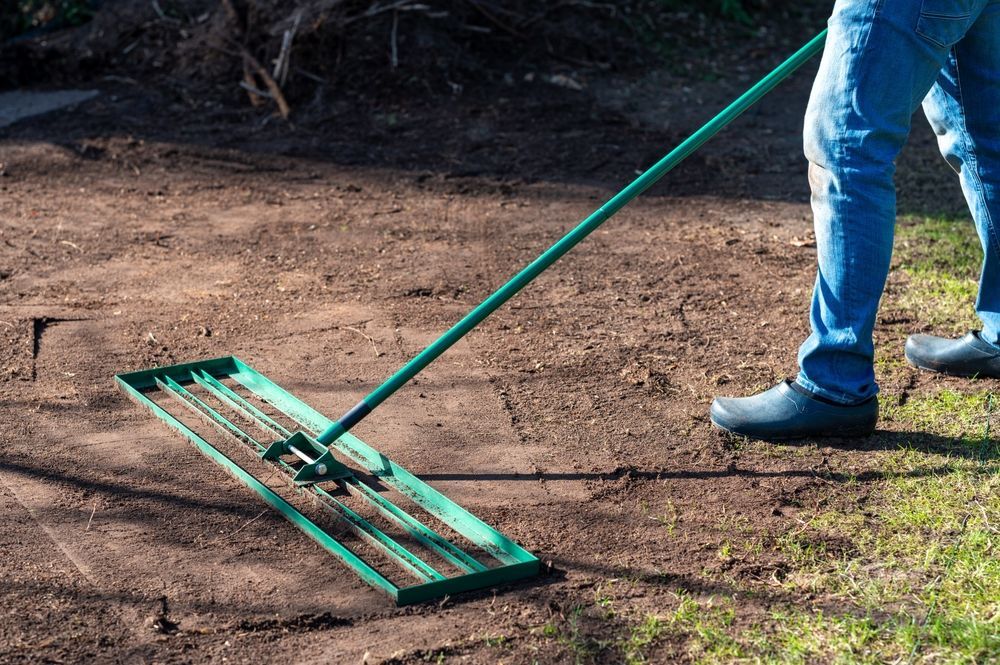
How Slopes Are Calculated for Water Management
Grading calculations determine how much soil needs to be moved to achieve positive drainage away from foundations and hardscape edges. Too little slope leaves water sitting on lawns and walkways, while excessive slope causes erosion and makes mowing difficult on turf areas. Catch basins are placed at low points where water naturally collects, and drain lines carry flow to storm systems or permeable areas where infiltration is allowed under local codes.
After grading is completed, you'll see water move off paved areas and lawns during irrigation or storms without forming puddles that take hours to absorb. Foundation plantings stay dry instead of sitting in saturated soil that rots roots and invites fungal growth. Parking lot edges no longer erode into planting beds, and walkways drain without leaving slick spots that create slip hazards during San Jose's winter rain season.
Commercial sites often require coordination with property managers to minimize disruption during grading work, especially when regrading affects access routes or parking areas in active use. Soil removed during grading is either redistributed on-site to build up low areas or hauled away, depending on the volume and whether fill is needed elsewhere in the landscape plan. Compaction of regraded areas prevents settling that would undo drainage corrections once irrigation resumes and foot traffic returns.

What Property Owners Usually Ask
Grading and drainage work in San Jose involves site-specific calculations and installation methods that vary based on soil type, existing slopes, and municipal stormwater regulations.
What happens during the drainage assessment phase?
The crew walks the site during irrigation or after recent rain to observe where water collects, measures existing slopes with a level, and identifies whether problems stem from inadequate grading, compacted soil, or missing drainage infrastructure.
How much slope is needed to move water effectively?
A two percent grade—roughly a quarter-inch drop per foot—provides enough fall to prevent pooling without creating erosion, though steeper slopes are sometimes necessary near foundations where space is limited.
Why do commercial sites in San Jose require drainage planning?
Parking lot runoff, irrigation overspray from turf areas, and roof downspouts concentrate water volumes that exceed what natural infiltration can handle, so controlled drainage prevents pavement damage and foundation saturation across the 450+ commercial properties Ted Cooper/Cooper Industries maintains.
When is regrading required instead of just adding drainage lines?
If the site slopes toward buildings or lacks any fall to move water, regrading is necessary to create positive drainage before installing catch basins or French drains that rely on gravity flow to function.
What's included in grading work integrated with landscape installation?
Soil is reshaped to correct drainage before planting or hardscaping begins, ensuring that irrigation and stormwater don't create problems once the landscape is established and maintenance begins.
Ted Cooper/Cooper Industries holds contractor license C27-521603 and has managed grading and drainage across San Jose commercial corridors and residential neighborhoods for four decades. Arrange an on-site consultation to review your property's water flow issues and develop a grading plan that integrates with planned or existing landscape features.