
Lawns Installed Without Ongoing Irrigation
Turf Installation in Campbell for reduced maintenance demands and year-round outdoor appearance
Many single-family properties in Campbell were built between the 1950s and 1980s with traditional lawns that require consistent watering and mowing, but artificial turf eliminates both while maintaining the appearance of a maintained yard. Ted Cooper/Cooper Industries installs turf systems designed for residential lawns, pet areas, side yards, and commercial landscapes where water use or maintenance access is a concern. The installation process addresses grading, drainage, base preparation, and turf placement so that the finished surface remains level and functional over time.
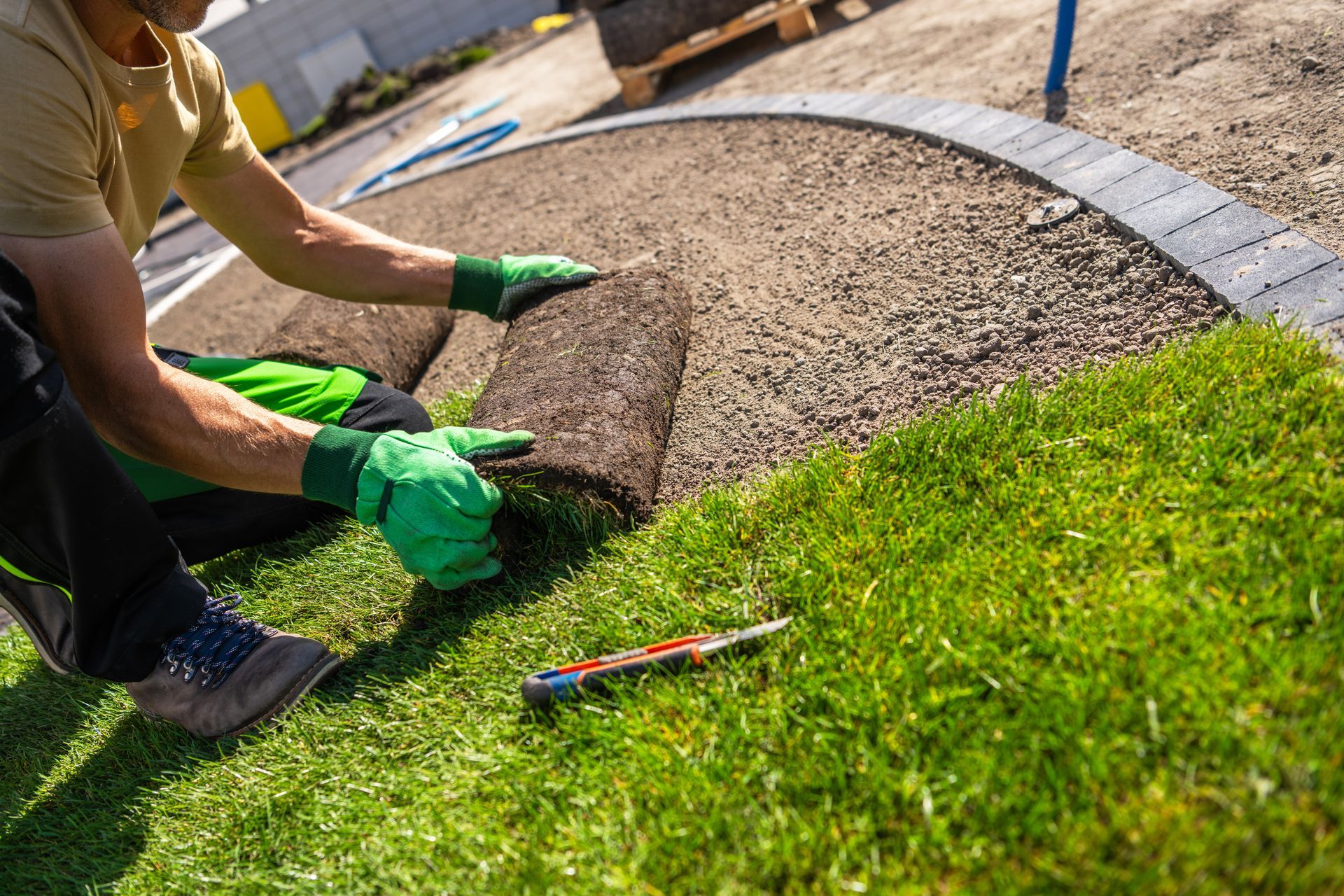
Proper turf installation begins with excavation of existing lawn material and soil grading to establish drainage away from structures and prevent water pooling on the turf surface. A crushed aggregate base is compacted in layers, followed by installation of a weed barrier and the turf itself, which is seamed, secured, and filled with infill material that supports the turf blades and allows for drainage.
Arrange an on-site consultation to evaluate your property's grading and discuss turf options based on intended use.
Why Base Preparation Determines Long-Term Results
The base layer beneath artificial turf controls both drainage and surface stability, and cutting corners during this phase results in uneven surfaces, poor drainage, and premature turf wear. A properly compacted aggregate base prevents settling and allows water to drain through the turf backing rather than pooling on the surface, which is critical in areas with clay-heavy soils that do not absorb water quickly.
Once turf installation is complete, you notice a consistent surface without muddy spots, bare patches, or weed growth. The turf stays in place without shifting or bunching, and seams remain tight and difficult to detect. Pet areas dry quickly after rain because water drains through the backing and base rather than sitting on the surface, and the turf does not develop the compressed, matted appearance that results from inadequate infill or poor base compaction.
Turf installation works well for front yards where water restrictions limit lawn irrigation, side yards with limited sunlight where natural grass struggles to grow, and backyard pet areas where digging and traffic create constant bare spots. The work does not include removal of hardscape features such as existing patios or pathways, which remain in place while turf is installed around them.

Answers About How the Work Is Done
These questions cover the installation process and what to expect during and after the work.
What happens to the existing lawn before turf is installed?
The existing grass and a few inches of soil are removed to allow for proper base installation, and the area is graded to establish drainage slopes before any aggregate is placed.
How is drainage handled during turf installation?
The base is sloped away from structures, and permeable backing on the turf allows water to drain through into the compacted aggregate base, which channels water away rather than trapping it beneath the surface.
What is infill and why does it matter?
Infill is the granular material spread across the turf surface after installation; it supports the turf blades so they stand upright, adds cushioning, and allows water to drain efficiently through the system.
How does turf perform in areas with heavy foot traffic or pet use?
Turf designed for residential use is manufactured with durable backing and blade construction that resists matting and tearing, and proper infill installation prevents the surface from compacting under regular use.
What maintenance does artificial turf require after installation?
You rinse the turf occasionally to remove dust or pet waste, brush high-traffic areas to keep blades upright, and check for debris that could block drainage, but mowing, fertilizing, and irrigation are eliminated entirely.
Ted Cooper/Cooper Industries installs turf systems built for durability and proper drainage, with attention to grading and base preparation that extends the life of the installation. Request an installation estimate to review turf options and site-specific requirements for your property.